

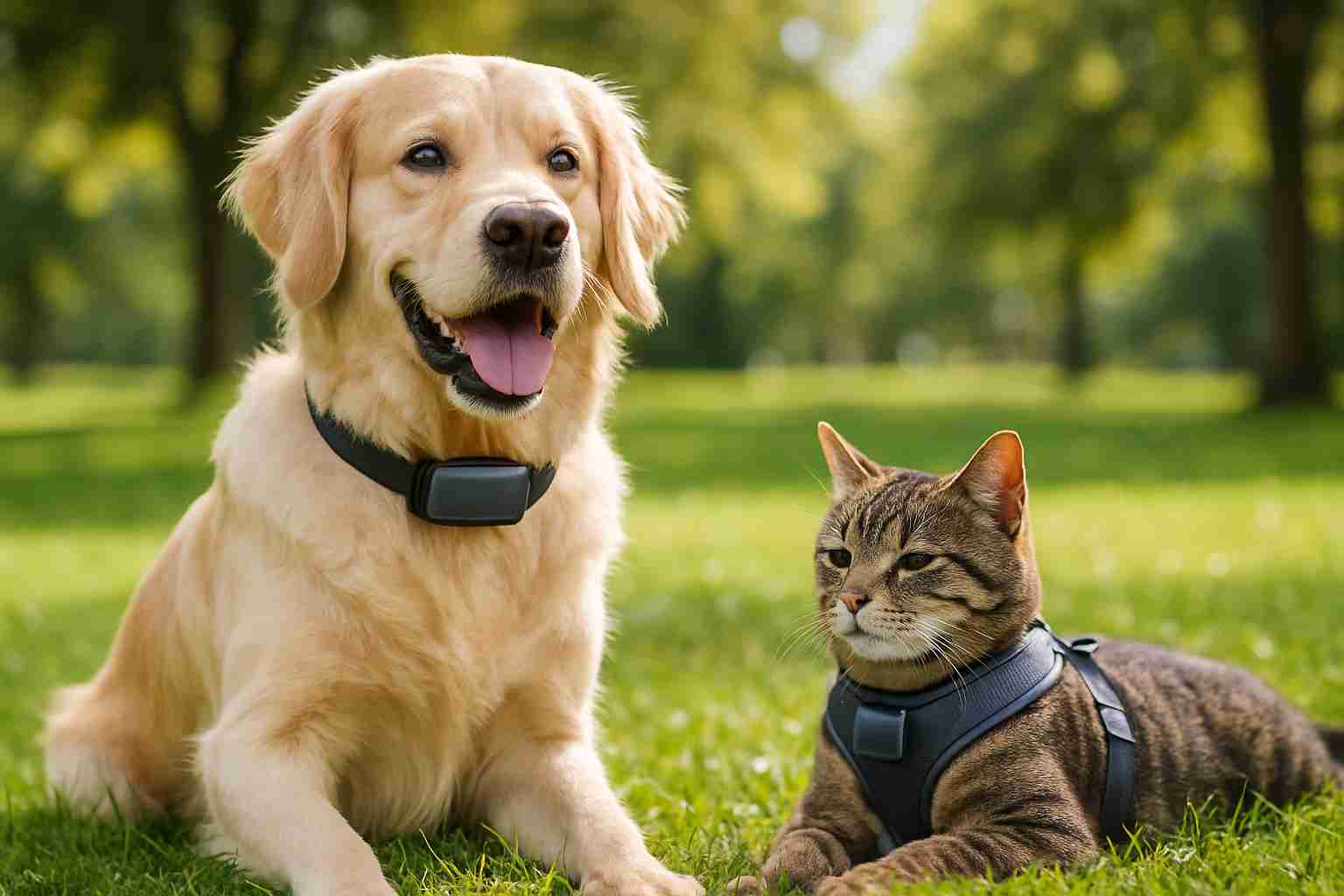
Losing a pet is a heart-wrenching experience, but with the right tracking device, you can easily keep an eye on your beloved companion’s whereabouts. From GPS collars to harness attachments, modern technology offers a variety of options tailored to different needs. This guide explores the best tracking devices for your pet, helping you make an informed choice.
Understanding Pet Tracking Devices and How They Work
Pet tracking devices are becoming essential tools for pet owners who want to keep their furry companions safe. At the heart of these devices is technology like GPS (Global Positioning System) and radio frequency tracking, which help pinpoint your pet’s location. So how do they work? In short, these devices use satellites to determine where your pet is at any given moment. They communicate that information back to you through a smartphone app or a dedicated device, all thanks to cellular networks.
Imagine being at the park and letting your dog roam free, knowing that you can check their location anytime. That’s the beauty of real-time tracking! You’ll receive updates throughout the day, making lost pet anxiety a thing of the past. Many of these devices also feature geofencing, which allows you to set virtual boundaries. If your pet wanders out of that safe zone, you’ll receive an instant alert.
These features collectively provide peace of mind, creating a safety net for your pet. For example, if Fido decides that chasing a squirrel is more important than staying by your side, you won’t have to panic. With just a glance at your phone, you can see if he’s still in the park or making a dash for the neighbor’s yard. When it comes to keeping your pet secure and ensuring they’re safe during their adventures, understanding how these devices operate is the first step.
Different Types of Tracking Devices for Pets
When choosing a tracking device for your pet, it’s crucial to understand the different types available on the market. Each type has its unique features, pros, and cons, making it essential to assess which fits your furry friend best.
GPS collars are among the most popular options. They provide real-time tracking through GPS technology, allowing you to pinpoint your pet’s location on a map via an app. Their accuracy can be a lifesaver, especially for adventurous pets. However, they might be bulkier than standard collars, which can affect comfort, and battery life can vary based on use.
Harnesses with embedded trackers offer a great alternative for larger pets that tend to pull. This option can distribute pressure more evenly, providing comfort during those enthusiastic walks. But beware: these harnesses might be more prominent, which could deter some pets from wearing them.
Implantable microchips serve as a permanent identification method, although they typically lack real-time tracking capabilities. They’re a fantastic backup if your pet goes missing, but you’ll need to rely on someone finding your pet and checking the chip, which can be a bit limiting.
Standalone GPS units are another option with great battery life and accuracy, but they can be bulky and less comfortable for smaller pets. They’re excellent for pets that frequently wander but require a more significant commitment in terms of attachment and periodic recharging.
SpecFive Trace GPS Tracker: The SpecFive Trace blends the best of standalone GPS and collar-style convenience. Lightweight, durable, and weather-resistant, Trace offers real-time location tracking via LoRa mesh—making it ideal for off-grid adventures, working dogs, or pets in rural areas with limited cellular coverage. With a long battery life, secure attachment options, and robust performance even in rugged terrain, it’s perfect for active pets who love to roam without boundaries.
It’s important to consider your pet’s behavior and lifestyle when selecting a device. Active outdoorsy pets may benefit from advanced solutions like the SpecFive Trace or GPS collars, while more reserved cats might do better with microchips for identification. In addition, think about how easy the device is to use and its durability in various weather conditions. Your choice can enhance your peace of mind while keeping your beloved pet safe and secure.
Choosing the Right Tracking Device for Your Pet
Choosing the right tracking device for your pet isn’t just about technology; it’s about ensuring their safety and your peace of mind. To find the perfect fit, consider a few key factors tailored to your furry friend.
First, evaluate your pet’s size and activity level. A small dog or cat might benefit more from a lightweight GPS collar, while a larger, more active breed may require a durable harness with an embedded tracker. Think about where your pet roams, too; if they love splashing around in the water, a waterproof device is essential.
Battery lifespan can also significantly impact your choice. Some devices may last a day or two, while others boast extended battery life. Choose one that aligns with your pet’s routine. How often do you take long walks, or is your pet more of a homebody?
Alerts and notifications are critical features to look for. A good tracking device should provide real-time alerts if your pet wanders outside a designated area. This feature can make a crucial difference in ensuring timely recovery.
When you’re evaluating vendor reliability, consider their customer service reputation and user reviews. A well-designed app interface can make monitoring your pet’s activities easy and stress-free.
Finally, balance the cost with functionality. Sometimes, a lower price means sacrifices in safety or reliability. Choose wisely to keep your furry friend safe and sound while ensuring you get the best value for your investment.
Installation, Maintenance, and Best Practices for Using Pet Trackers
Installing a pet tracking device properly is key to keeping your furry friend safe and sound. First, you’ll need to decide how to attach it. Most trackers work well with collars, but a harness can offer extra security, especially for active pets who might be prone to wriggling out. When choosing between the two, consider your pet’s comfort and activity level. A snug fit is important, but it shouldn’t be too tight—after all, nobody wants Fido to feel restricted!
Once you have the device attached, think about upkeep. Regular battery charging or replacement is essential. Many trackers come with a straightforward charging routine, but make it a point to check the battery level weekly. Not only will this prevent any surprises, but it’ll also ensure that you’re always prepared for an adventure. Should you encounter issues, like connectivity drops or inaccurate tracking, a quick restart or following the troubleshooting tips in the user manual can do wonders.
Training your pet to wear the tracker is another important step. Start by letting your pet sniff and explore the device before putting it on. Gradually introduce it in short sessions, rewarding your pet with treats and praise. Incorporating the tracker into daily routines can help, too. Consider daily walks as an opportunity to monitor their activity levels. By following these practices, you’ll not only boost the device’s efficiency but also make it easier for your pet to enjoy their newfound safety buddy.
Conclusions
Choosing the right tracking device for your pet is crucial in ensuring their safety and your peace of mind. By understanding the technology, types, and practical considerations, you can find a solution tailored to your pet’s unique needs. Proper installation and maintenance further enhance reliability. With the right device, you’ll always know your furry friend’s location, making those worry-filled moments a thing of the past.