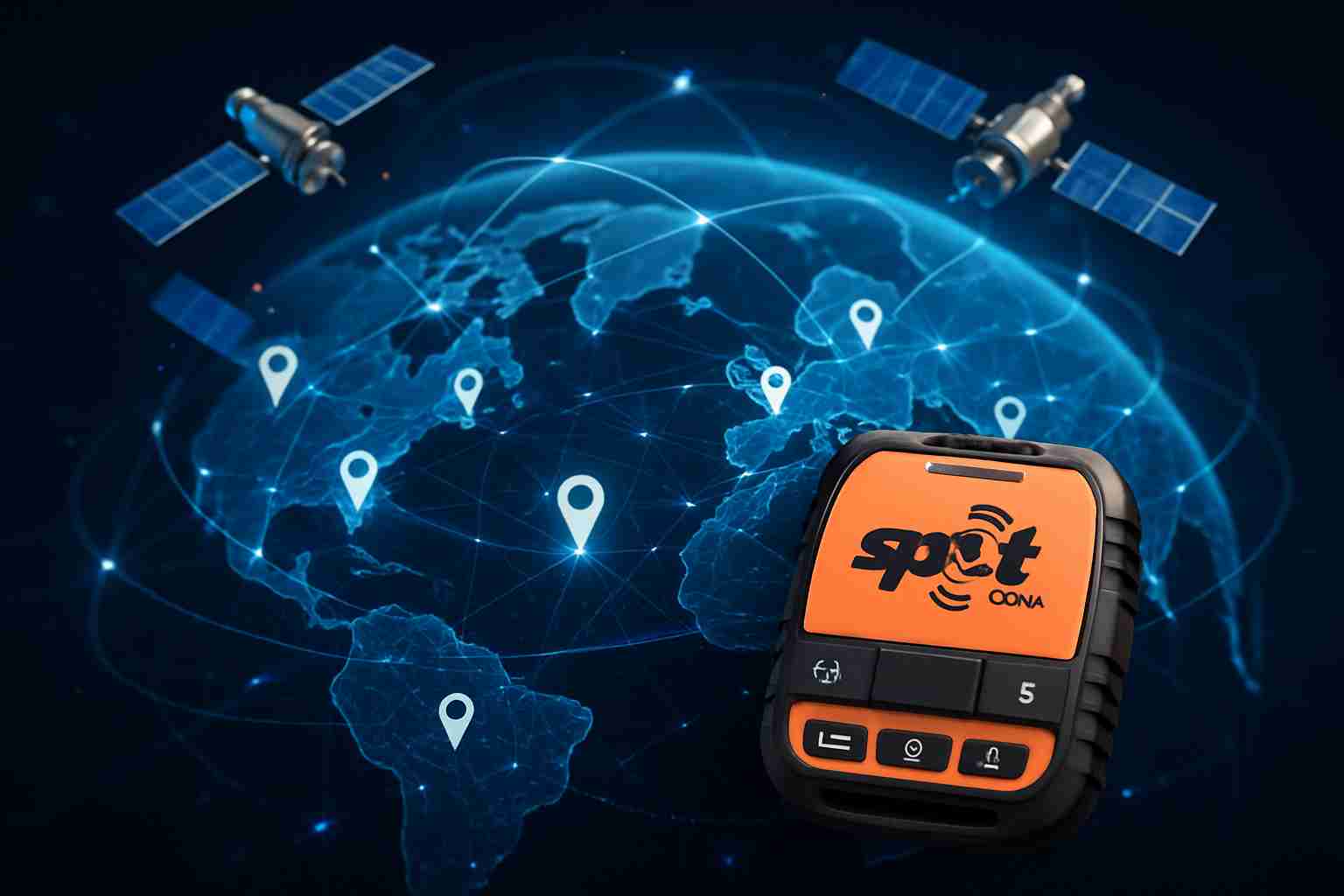


By 2026, live vehicle tracking 2026 systems have reached new heights of sophistication, delivering instant vehicle monitoring 2026 paired with unparalleled data analysis capabilities to oversee vehicles, fleets, and various assets. This article delves into the leading GPS fleet and asset management solutions, innovative fleet control systems, and next-generation GPS tracking technology that together enable precise vehicle tracking and boost operational productivity through GPS tracking.
The Evolution of GPS Tracking Technology
GPS tracking technology has undergone a remarkable transformation, shaped by innovations that have expanded its potential in unprecedented ways. Today’s systems go far beyond simple location pinpointing, providing a diverse array of features that improve tracking and oversight. Central to this advancement is IoT-enabled fleet tracking solutions, which facilitate effortless communication between devices and data collection points. This progress paves the way for comprehensive fleet optimization software 2026, delivering instant insights into vehicle condition, driver behavior, and route performance. In addition, predictive analytics for maintenance now allows anticipation of mechanical faults ahead of time, minimizing expensive downtime.
Telematics technology for supply chain is another revolutionary component, supplying crucial data that supports logistics decisions. This nuanced strategy has given rise to platforms that streamline routes, enhance fuel usage minimization, and allocate resources with accuracy. Moreover, the enhancement of connectivity, leveraging multi-satellite GNSS integration, guarantees precise and dependable data even in isolated locations. These refined gps tracking system review tools signify a substantial leap from their original forms, showcasing how technology adapts to a wide range of industry needs by offering customized fleet and asset management platforms.
Top GPS Trackers of 2026
The year 2026 presents a diverse range of advanced GPS tracking units, each tailored to address specific tracking demands. These products perform exceptionally well in tasks from personal item monitoring to handling the complex logistics involved in commercial fleet management. Featuring multi-satellite GNSS integration, they provide unmatched satellite positioning precision to guarantee accurate location details. Among their key highlights, extended battery endurance supports consistent operation even in isolated locations, making these independent GPS tracking units perfect for off-the-grid scenarios. Connectivity has been significantly enhanced, adapting seamlessly to both metropolitan and countryside network settings to maintain uninterrupted data flow.
One significant benefit lies in their compatibility with existing infrastructures, enabling smooth integration with modern fleet management platforms and Internet of Things for vehicle monitoring. Some units come equipped with remote telemetry GPS tracking devices that offer valuable insights into vehicle condition and prognostic maintenance solutions, vital for reducing downtime in fleet operations. A number of these environmental sensor-equipped GPS trackers also monitor ambient conditions, providing crucial oversight for delicate commodities such as perishables and pharmaceuticals.
Moreover, user-friendly interfaces improve the overall experience, making the devices accessible to both experts and beginners alike. For a thorough gps tracking system review, these features collectively explain why these models excel. Discover how these systems reach new levels, tackling varied logistical challenges with efficiency, and delivering adaptability and precision to fleet and asset management across multiple industries. For additional details, see our detailed gps tracking system review.
Maximizing Fleet Efficiency with GPS Integration
Integrating live vehicle tracking 2026 is propelling fleet management into a new era. In 2026, these systems offer far more than just pinpointing locations; they provide vital insights into driver performance analytics, route optimization, and vehicle condition. Leveraging this information allows companies to boost safety measures and effectively cut operational expenses.
Fleet supervisors can spot potentially hazardous trends, such as sudden braking or quick acceleration, by examining driver risk analysis. This insight paves the way for refining driver training initiatives. With GPS fleet tracking technology’s built-in route optimization tools, managers can chart the most fuel-efficient and time-saving routes.
Furthermore, immediate vehicle location tracking 2026 facilitates proactive automotive service planning, helping to prevent unplanned downtime and extend vehicle service life. Meeting regulatory requirements this way fosters a safer, more efficient operating environment.
The vehicle fleet management systems 2026 are harmoniously blending with GPS-based asset monitoring systems to offer a comprehensive solution for overseeing varied fleets. Harnessing these cutting-edge fleet management solutions enables companies not only to slash costs but also elevate fleet management effectiveness. Delving into a gps tracking system review is essential for grasping these technological strides. Such knowledge is vital as businesses aim to maintain a competitive edge and foster innovation.
Real-time Tracking and Asset Management
Live GPS data is revolutionizing asset oversight by delivering exact location details and status updates, changing industries ranging from construction to healthcare. In the construction realm, GPS-enabled construction machinery monitoring systems help reduce theft and cut equipment downtime by sending instant alerts. These solutions leverage technologies like RFID and LoRa to guarantee broad coverage and seamless data integration. As a result, construction firms can keep tabs on machinery and costly tools throughout large sites, boosting project productivity.
Within healthcare, live asset monitoring is essential for maintaining a continuous supply of vital resources such as lifesaving apparatus and medicines. GPS-based asset tracking systems assist in automating inventory management and providing up-to-the-minute stock visibility, thus averting shortages and workflow interruptions. By automating such tasks, these tracking platforms allow healthcare workers more time to concentrate on patient care.
Gps tracking system review conversations highlight their positive impact on enabling smooth, well-informed operations in a timely manner. While these innovations don’t replace the need for human alertness, they add a technological layer that amplifies the chances of success across sectors. With ongoing advancements anticipated, real-time GPS tracking technologies keep advancing, delivering all-encompassing answers to complex asset management challenges. The significance of this technology remains clear, promising improved security and more streamlined oversight. You can discover further insights about its features via our comprehensive gps tracking system review.
Future Trends in GPS Tracking Technology
Looking ahead, the evolution of GPS technology promises thrilling breakthroughs that will transform fleet and asset management. At the cutting edge, artificial intelligence and machine learning are driving AI-powered GPS tracking systems to autonomously adjust and optimize performance instantly. These innovations will yield smarter GPS tracking system review tools, enhancing operational efficiency with GPS tracking by enabling predictive maintenance technology and automated route recalibration.
The next wave of multi-constellation GPS connectivity will further boost satellite positioning precision and coverage, guaranteeing uninterrupted tracking even in isolated areas. Such accuracy is vital for sectors that depend on meticulous logistics and coordination. Additionally, augmented reality navigation may soon overlay digital cues onto the real world, providing drivers with real-time route guidance and updates right in their line of vision.
These technological advances won’t just enrich user experiences but will also broaden the horizon for industrial GPS applications. Imagine construction sites employing automated equipment asset tracking or medical centers leveraging healthcare asset monitoring for precise tracking of devices and personnel. As these technologies evolve, they will push the limits of what’s achievable, ushering in a new era of connectivity and control. With each leap forward, the potential of GPS tracking system review continues to grow, unveiling new opportunities previously unknown.
Conclusions
The outlook for GPS tracking systems in 2026 highlights remarkable advancements in both functionality and integration capabilities. From improving fleet operations with cutting-edge fleet management solutions to ensuring asset security through GPS-based asset monitoring systems, the reach of these technologies keeps growing. As innovative GPS tracking technology continues to evolve, it is set to enhance operational productivity through GPS tracking across various sectors, transforming how resources are supervised and managed. Remaining adaptable and well-informed will be essential to take full advantage of future-oriented GPS implementation as the technology moves forward.