
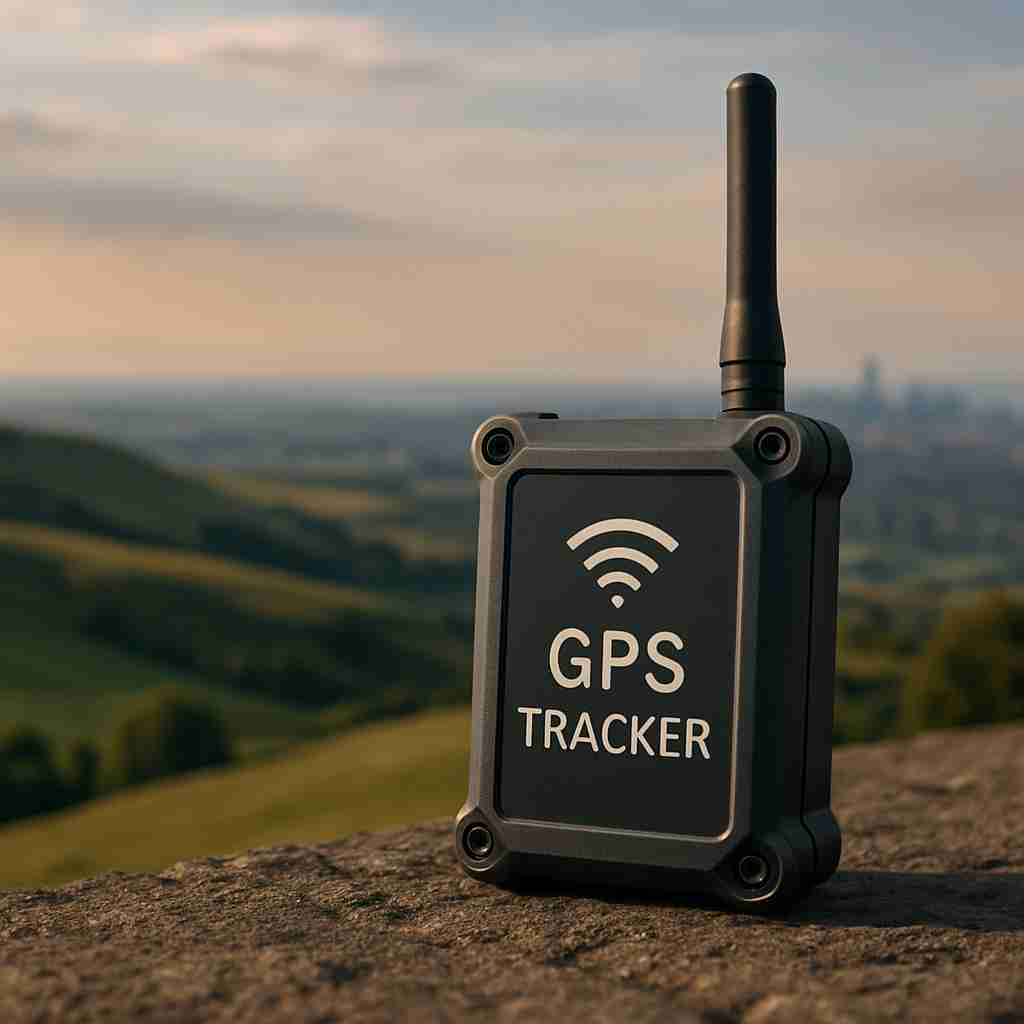
Effectively tracking assets has become a critical necessity in the current global environment. Offering unmatched promise in extended-distance GPS monitoring and standalone GPS tracking system, LoRa technology stands out. See how LoRa GPS trackers transform asset oversight by delivering a flexible, efficient, and economical GPS tracking solutions alternative to conventional approaches.
What is LoRa Technology?
LoRa technology leads innovation by combining extensive distance wireless transmission with energy-efficient GPS tracking, which is essential for modern LoRa GPS tracker devices. At its foundation lies the CSS modulation technique, a unique approach that guarantees reliable data communication even when signals face interference. This method forms the backbone of today’s robust and effective tracking equipment. The growth of LoRa-based GPS trackers highlights their critical importance in sectors that demand sustainable and dependable extended-range asset monitoring. These devices capitalize on Lon Range’s unparalleled capability to maintain communication over vast distances while ensuring battery-efficient asset management, a key feature for environments lacking constant internet access. Demonstrating its practicality, the LoRa GPS tracker incorporates innovative features that enable offline geolocation data exchange once network connectivity resumes. This forward-thinking synergy of technology and design makes LoRa highly attractive across multiple industries that require precise and efficient solutions. Such adaptability guarantees enduring solutions for companies aiming to optimize logistics without compromising on energy conservation.
Harnessing the Strength of LoRa for Offline GPS Tracking
In environments where continuous connectivity is unfeasible—like remote or countryside areas—offline GPS tracking technology becomes an essential tool for asset monitoring. Within these scenarios, LoRa GPS tracker devices stand out by capturing accurate location information without the need for an ongoing internet connection. Utilizing LoRa communication technology benefits, these trackers efficiently save location data and periodically send the stored packets once the network is accessible again. This method greatly extends battery life and cuts operational expenses, which proves particularly advantageous for sectors operating far from urban infrastructure.
Harnessing the Strength of LoRa for Offline GPS Tracking
Using offline asset tracking, a LoRa GPS tracker leverages its durable architecture to collect information over long durations. Due to their energy-conscious asset surveillance design, these devices cover extensive areas while maintaining power efficiency. Once connectivity resumes, the stored data is transmitted to control hubs or base stations, ensuring precise and dependable asset supervision without needing constant network access. This synergy between staggered data uploads and prolonged battery-friendly operation grants a strategic edge, making LoRa-based asset monitoring indispensable for fields such as agriculture, construction, and offsite logistics where reliable asset visibility is critical.
Long-Range Tracking Capabilities Explained
LoRa GPS trackers, like the LoRa GPS tracker, showcase impressive extended distance asset monitoring abilities, making them vital for today’s asset management. They maintain reliable communication over vast distances—reaching up to 10-15 kilometers in rural zones and around 3-5 kilometers within urban settings. This considerable range depends on multiple elements, such as environmental factors and the strength of nearby infrastructure.
In wide-open countryside areas, the lack of tall buildings allows signals to travel uninterrupted over large farmlands and fields. On the other hand, urban landscapes, crowded with construction and obstacles, impose challenges that naturally reduce transmission ranges. These differences between metropolitan and rural GPS tracking analysis highlight the flexibility and effectiveness of LoRa wireless technology, which plays a crucial role in logistics, farming, and supply chain operations.
Tracking assets across such extended areas daily enhances operational productivity by providing accurate location monitoring. In logistics, pinpointing the exact whereabouts of goods along extensive routes improves inventory precision. Similarly, in agriculture, monitoring valuable assets like farm equipment or livestock over expansive land streamlines management efforts. The valuable data afforded by this technology cements its place as an essential tool in the connected era of operations.
Implementing LoRaWAN for Asset Tracking Solutions
Incorporating LoRa GPS tracker technology within asset tracking solutions provides a strategic edge, particularly when focusing on scalability and security. By leveraging LoRaWAN asset tracking, companies can efficiently monitor assets over vast areas. The ability of LoRaWAN to support numerous devices is a key advantage, making it ideal for sectors requiring wide-area asset surveillance.
Security stands out as a vital aspect, with LoRaWAN delivering robust encryption protocols that protect data during transmission. As a result, sensitive asset information stays secure from unauthorized breaches, building confidence and dependability. Integration challenges do exist, such as increased network management complexity as device counts grow, demanding close supervision to sustain system efficiency. Still, sectors ranging from agriculture to logistics are tapping into the benefits of LoRaWAN.
These organizations adopt this technology to enhance asset visibility, streamline workflows, and boost overall efficiency. Embracing LoRaWAN asset monitoring solutions enables them to manage assets effectively and keep up with the evolving pace of modern industries. Looking ahead, the strategic deployment of LoRaWAN will be crucial in shaping the future of asset tracking solutions.
Case Studies: Success Stories with LoRa GPS Tracking
Real-world examples of LoRa GPS trackers demonstrate the transformative and flexible impact of LoRa connectivity in various environments. Imagine a wildlife conservation initiative where tracking the migration patterns and behaviors of endangered animals over large reserves is essential. In such cases, LoRa GPS trackers provide real-time geolocation capabilities without the exorbitant expenses linked to satellite networks. The remarkable battery-efficient asset management and broad coverage of these devices make them perfect for remote zones where power and conventional cellular networks are scarce.
Within corporate logistics, the effortless incorporation of LoRa long-range wireless technology into fleet operations management tools enhances asset supervision over vast regions. Organizations gain the ability to monitor their fleets effectively, streamlining routes and timetables that cut fuel use and lower emissions. Moreover, this technology supports rapid reactions to unforeseen incidents, offering insightful data that boosts efficiency and minimizes downtime.
These case studies highlight how utilizing LoRa-based asset monitoring not only improves asset transparency but also paves the way for cost reductions and environmental sustainability. Its versatility across multiple industries emphasizes the potential of this technology to revolutionize management approaches in both environmental and commercial sectors.
Conclusions
LoRaWAN GPS trackers mark a revolutionary advancement in asset oversight, delivering reliable solutions for disconnected GPS data transfer and far-reaching asset monitoring. This technology ensures dependable data exchange across vast distances while consuming minimal power, resulting in unmatched operational efficiency. As more sectors embrace LoRa-based asset monitoring solutions, they can anticipate improved visibility of operations, reduced expenditures, and eco-friendly asset management strategies.