

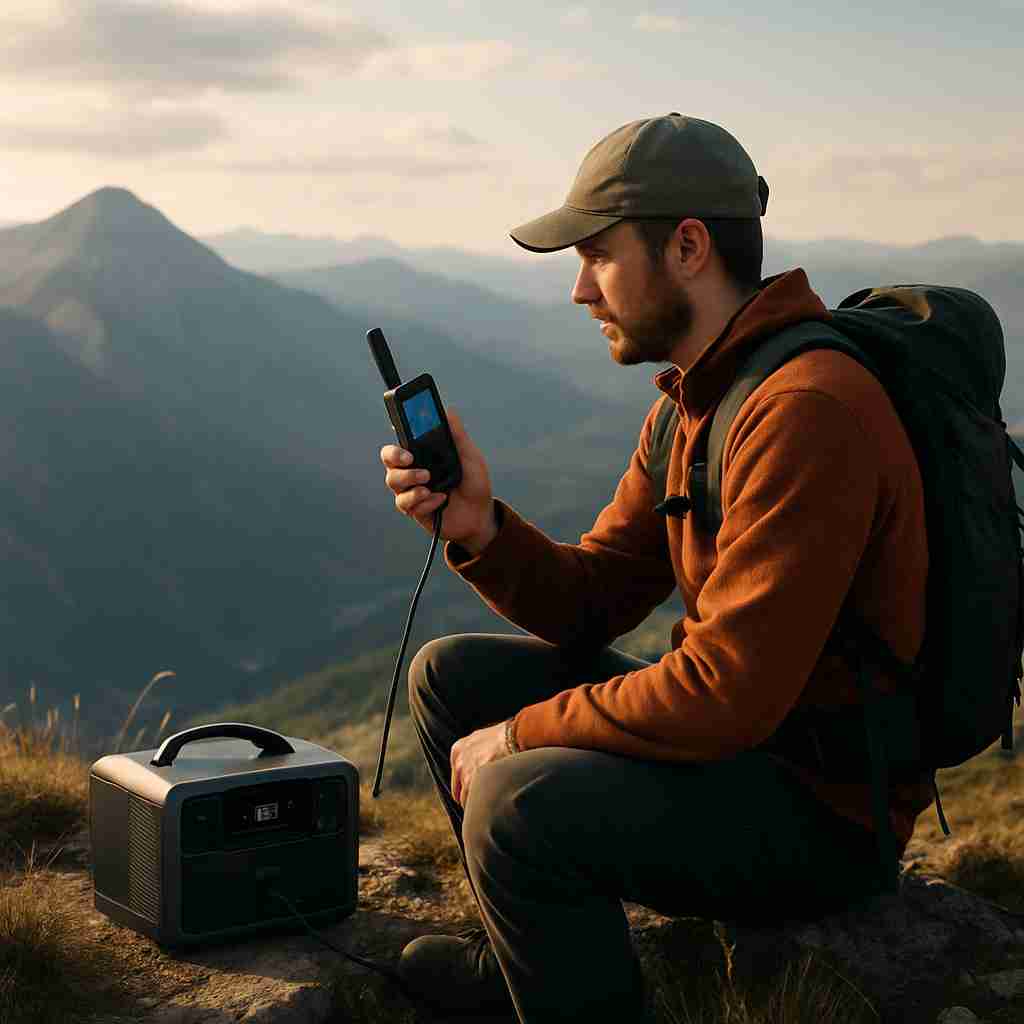
In today’s world of nonstop connection, dependable communication and power options are crucial for explorers venturing into isolated regions. Discover cutting-edge technologies such as mobile satellite communication devices, compact power hubs, mesh networking devices for isolated locations, and breakthrough autonomous power solutions built to keep you linked and energized, regardless of how far off the beaten path your adventure takes you.
Exploring Off-Grid Communication Devices
When delving into off grid devices, it’s clear that autonomous communication devices have transformed how we stay connected in remote locations. Leading the way, mobile satellite communication devices like Garmin’s inReach provide global coverage through messaging and emergency satellite dispatch, backed by extensive satellite networks. This crucial functionality ensures adventurers remain reachable no matter the distance they cover.
For those journeying in teams, mesh networking devices for isolated locations, such as GoTenna, present an innovative solution by establishing a local network that operates without cellular towers. These gadgets enable dependable connections for sharing texts and locations within a set range, making them invaluable for keeping groups linked without the need for conventional infrastructure.
When evaluating these innovations, essential aspects such as network reliability, power endurance of autonomous devices, and ease of use become critical. The products from Garmin and GoTenna shine by offering features customized to meet diverse exploration requirements. Whether it’s the sturdy satellite communication systems or the adaptable mesh networking communication, travelers can select according to their trip’s needs, guaranteeing they stay connected across the world. Incorporating these sophisticated technologies into your expeditions elevates the experience, seamlessly combining safety with reliable connectivity.
Harnessing Portable Power Stations
When it comes to off-grid adventures, portable power stations have evolved into indispensable allies, keeping your gadgets fully charged. Compact energy hubs such as the Jackery Explorer and Goal Zero Yeti boast remarkable power delivery. Supporting everything from smartphones to laptops, these units are vital for travelers venturing into isolated territories.
At the heart of these hubs is cutting-edge battery technology, especially lithium-ion cells, which pack a hefty energy reserve in an unexpectedly compact design. Evaluating a power station’s capacity, output, and charging methods—be it solar, vehicle, or wall charging—is essential. Each charging approach broadens flexibility, guaranteeing you remain powered no matter the setting.
Practicality plays a major role in their effectiveness. Size, weight, and ruggedness determine how well they perform during demanding outdoor exploits. Lightweight, durable mobile power systems improve convenience and confidence alike. By carefully weighing these factors, explorers can select stations tailored to their specific demands, allowing them to concentrate on their journey instead of worrying about energy. These factors are closely linked to choosing the best off grid devices for any expedition, ensuring superior support.
How Satellite Communicators Bridge Connectivity Gaps
For those traveling beyond cellphone coverage, satellite communication equipment has transformed adventure travel. By leveraging a constellation of orbiting satellites, these mobile satellite communication devices offer steady worldwide connectivity—crucial when emergencies arise. Adventurers can depend on them to send alerts or stay in touch, even in the most isolated locations. GPS satellite tracking devices are essential features that enable users to broadcast their location and journey details. The inclusion of two-way satellite messengers adds another communication dimension, allowing users to reach loved ones or emergency personnel, an invaluable asset during urgent situations. Additionally, built-in weather forecast tools assist in strategizing to avoid hazardous conditions.
Businesses such as Iridium and Spot have produced a variety of products catering to diverse outdoor pursuits. Iridium specializes in sturdy satellite communication terminals suited for harsh environments, whereas Spot delivers more economical options without sacrificing core functionality. Both companies present a range of subscription plans, accommodating everything from casual hikers to seasoned explorers.
When selecting a satellite transceiver unit, factors like user accessibility, subscription fees, and compatibility with other off grid devices should be evaluated. This careful consideration guarantees smooth integration and preparedness for adventures where conventional communication methods fail, rendering these devices indispensable for journeys off the beaten track.
Understanding Mesh Networking in Remote Areas
When cellular coverage is limited or absent, mesh networking devices for isolated locations become indispensable. By linking devices directly, they form networks that allow uninterrupted communication where conventional services fail. This technology proves crucial for outdoor activities such as group hikes or camping excursions, where staying connected within the team is vital. Products like GoTenna Mesh and Beartooth provide users with dependable SMS and voice communication within a defined range.
Renowned for its simplicity and portability, GoTenna Mesh uses existing mobile gadgets to support communication over long distances. Every GoTenna Mesh functions as a node, relaying messages across the network until they find the target recipient. This approach eliminates reliance on standard infrastructure and greatly broadens the communication horizon.
Beartooth takes the mesh networking communication experience further by enabling direct voice interactions. It offers a sturdy connection between users even in challenging terrain. Thanks to its quick setup, these networks can be established rapidly, ensuring teams stay linked even in the most remote environments.
These remote communication tools deliver low latency for almost instant message transfer. Their straightforwardness combined with effectiveness makes them trustworthy partners for any independent expedition, fitting seamlessly into your communication arsenal. Selecting the right mesh network gadgets for remote areas allows adventurers to keep connectivity reliable, facilitating easy and secure exchange of essential information.
Off-Grid Power Solutions: Beyond the Conventional
Ensuring energy autonomy during prolonged stays in the wilderness heavily relies on off-grid power solutions. Transforming sunlight into clean electricity, portable solar panels remain a favored option due to their lightweight design and ease of installation, perfect for hiking trips or campsite settings. Yet, their performance is largely tied to the presence of sunlight and prevailing weather conditions, which can often be erratic.
For those seeking a steadier alternative, small portable wind turbines present a viable renewable energy solution. These units harness wind power efficiently, especially in locations with steady airflows. Although wind turbines might demand a more involved setup compared to solar panels, their ability to generate continuous power makes them an appealing choice.
Kinetic energy chargers offer an inventive way to produce power by capturing motion. Hand-crank generators and similar devices turn physical effort into electricity, an excellent fallback when natural energy sources are limited. Their portability combined with user-friendliness provides freedom from environmental constraints, despite often needing considerable manual input to yield substantial energy.
Careful integration of these technologies is key. Employing a blend of these power sources can form a reliable energy strategy that meets power requirements regardless of external conditions. Thoughtful evaluation of the benefits, limitations, and environmental impact of each option helps tailor effective off-network green energy solutions suited for extended outdoor adventures.
Conclusions
Successfully navigating the off-grid realm demands an ideal combination of power and communication technologies. By gaining insight into the functionalities of mobile satellite communication devices, mesh networking devices for isolated locations, rechargeable battery units for hiking expeditions, and sustainable power options for explorers, adventurers can maintain both safety and connectivity when far from civilization. Making informed investments in these technologies not only enriches the journey but also boosts readiness and durability against unexpected situations.