

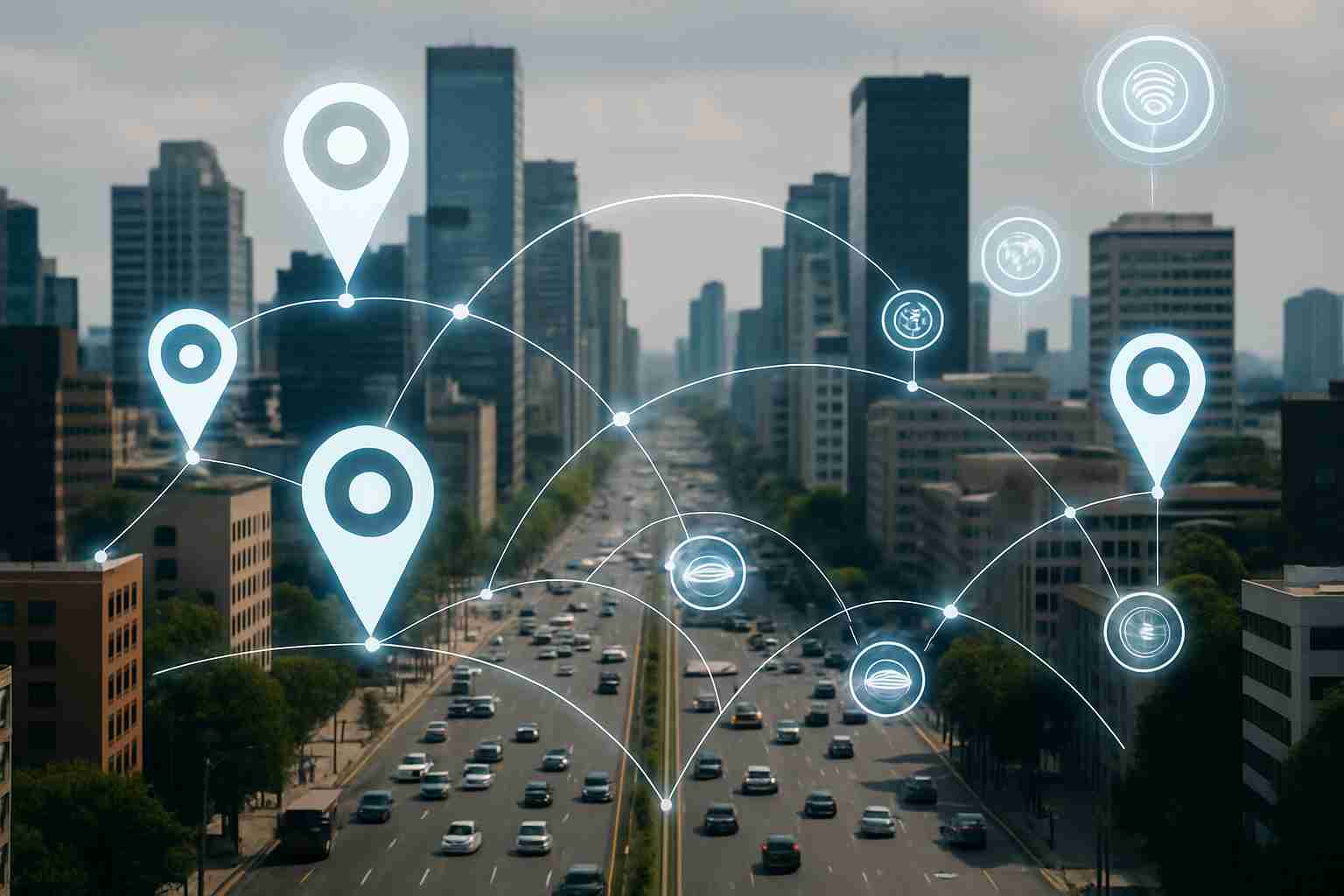
In our rapidly evolving world, live asset monitoring technology has revolutionized the way vehicles and assets are managed. Whether it’s streamlining fleet operations or safeguarding critical resources, technologies such as GPS vehicle monitoring systems and IoT-based fleet oversight deliver unmatched visibility and command. This article delves into the powerful combination of these innovations and examines their influence on productivity, protection, and operational clarity.
Understanding Real-Time Tracking Technology
Users can track vehicles and assets with pinpoint accuracy thanks to real-time tracking technology. Central to this technology is a real-time tracking device, which obtains its location data from GPS satellites. This complex system kicks off as satellites orbiting Earth send out signals that are captured by the tracking unit. After receiving these signals, the device determines its precise position. This information is then relayed via wireless networks, offering users continuous updates.
The reliability of these systems depends on several components functioning seamlessly together. The GPS receiver plays a vital role in guaranteeing precise location tracking. It maintains ongoing communication with numerous satellites to ensure accuracy, which is especially crucial in dense urban environments full of obstructions. Then, the internal processor of the device interprets the satellite data, converting signals into meaningful coordinates. Finally, the wireless network module forwards this data to monitoring platforms, enabling dynamic asset tracking in real time.
What truly sets this technology apart is its capability to track a wide range of assets, from shipments to vehicles, instantly. A real-time tracking device equips companies with unmatched visibility and control, drastically improving operational efficiency and asset protection technology. As these systems advance, they become indispensable elements of logistics and asset management, delivering accuracy and dependability.
Benefits of Vehicle Tracking Devices
Vehicle tracking systems deliver significant benefits that can revolutionize both fleet logistics management platforms and private vehicle ownership. For managers and owners alike, these devices boost security, providing much-needed reassurance. An instant vehicle tracking technology can send prompt notifications if a vehicle strays from its predetermined path, playing a vital part in automotive anti-theft systems and enabling swift stolen asset recovery. This improvement in asset protection technology often translates into lower insurance costs and minimized losses, making it a highly desirable feature for companies and individual vehicle proprietors.
Besides security, these tools also enhance operational efficiency in planning and route execution. Fleet managers can leverage live vehicle monitoring solutions to track traffic in real-time and reroute accordingly to prevent hold-ups. Such optimization cuts down on fuel consumption and operating expenses, creating considerable advantages for businesses. For example, in shipment tracking for logistics, making timely changes helps ensure packages reach their destinations quicker, thus boosting customer trust and satisfaction.
Additionally, these devices excel at performance assessment. They gather information about fuel efficiency monitoring, vehicle speed, and engine health. This insight supports early detection of maintenance requirements before issues escalate into expensive repairs. Whether in logistics where punctual, effective delivery is paramount, or for personal use, the benefits of employing a real-time tracking device remain compelling and clear.
Asset Tracking Technology: Beyond Vehicles
Asset tracking technology goes far beyond just overseeing vehicles, transforming how industries manage a variety of assets such as equipment, shipments, and personal belongings. In the realm of inventory control systems, instant asset tracking devices like a real-time tracking device improve transparency by delivering exact location information that enhances stock precision and reduces inconsistencies. They facilitate the smooth flow of assets along the supply chain, cutting down on delays and preventing operational interruptions.
Implementing these asset management systems helps prevent losses by constantly monitoring assets, deterring theft, and enabling rapid recovery when incidents happen. For instance, construction firms can monitor costly machinery at distant sites to maximize utilization and lower expenses. Furthermore, in industries such as healthcare, healthcare asset tracking guarantees medical instruments are accessible when required, improving patient outcomes.
That said, applying asset monitoring platforms comes with its own set of obstacles. Companies face significant upfront expenses and the challenge of handling large volumes of data. Nevertheless, the benefits—like heightened productivity, fewer losses, and better client experience—usually surpass these difficulties. As dynamic asset tracking continues to advance, its impact on enhancing business workflows becomes vital, ushering in smarter and more insightful asset administration methods.
Innovations in IoT Tracking Solutions
The integration of the Internet of Things (IoT) with vehicle tracking systems is revolutionizing how assets and vehicles are managed. This blend of technologies is characterized by the emergence of smart sensor technology and real-time data analytics, delivering accurate insights to enhance operational efficiency. Devices such as a real-time tracking device benefit from this innovation by transmitting information smoothly, guaranteeing continuous connectivity and transparency in asset positioning.
Smart sensor technology, fundamental to IoT, monitors environmental conditions and relays this information through the cloud. This advancement boosts precision in asset oversight, enabling companies to maintain detailed awareness of their operations. Additionally, cloud-based asset management platforms consolidate information from multiple gadgets, presenting a unified view that supports better decision-making. This cuts down on uncertainty, allowing businesses to react swiftly to changes in operational requirements.
The conversion of raw data into meaningful insight through real-time data analytics supports rapid and well-informed decisions. Incorporating these technologies helps organizations refine logistics, minimize losses, and enhance customer experience. The application of a real-time tracking device highlights this transformation towards more intelligent and efficient asset management.
Live Location Trackers and Security Enhancements
A fundamental aspect of contemporary technological progress is ensuring protection through live location trackers, profoundly affecting both individual and business realms. By integrating live location trackers within security frameworks, emergency management solutions benefit from accurate, instantaneous data that proves vital during critical events. These systems, for example, allow rescue teams to locate exact positions swiftly in urgent scenarios, saving precious minutes and improving results. Moreover, their impact on theft restitution strategies is revolutionary. When a real-time tracking device is fitted on vehicles or valuable assets, organizations can promptly locate and retrieve stolen property, greatly minimizing loss and financial setbacks.
Within business environments, live location trackers have transformed client service. Delivering precise arrival times and status updates helps companies build transparency and dependability, which strengthens trust and boosts customer satisfaction. Numerous case studies demonstrate these technologies’ effective uses; for instance, a logistics firm employing such a platform experienced a notable drop in delivery thefts and enhanced delivery time accuracy, resulting in increased customer loyalty and confidence.
These innovations emphasize the critical importance and adaptability of live location tracking in bolstering security, showcasing their indispensable role as a vital instrument in today’s interconnected society.
Conclusions
For both enterprises and individuals, live asset monitori Internet of Things fleet management brings groundbreaking advantages. These innovations not only boost operational productivity but also strengthen security measures, offering critical insights and enhanced control. Adopting such technologies enables more intelligent and interconnected vehicle fleet management solution, positioning users as leaders in efficiency and modern technological progress.