

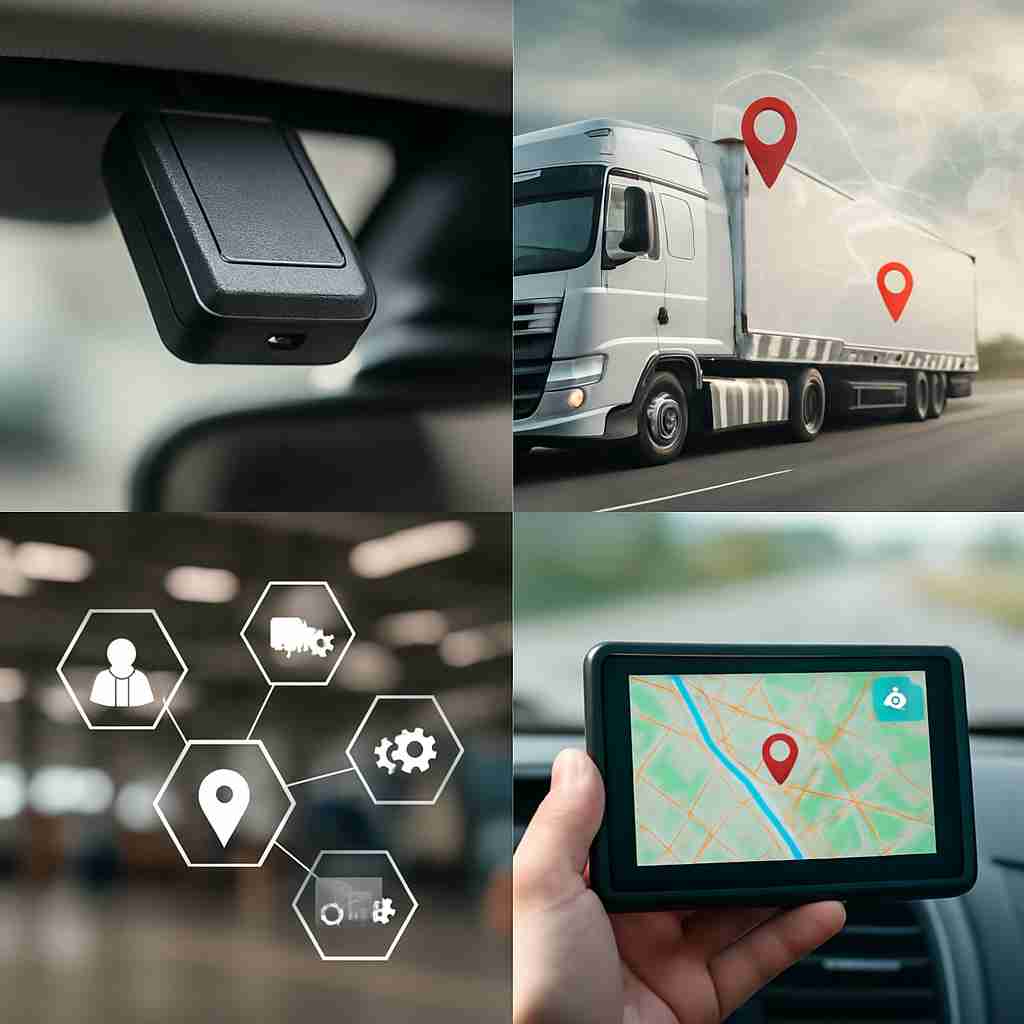
In today’s rapidly evolving environment, live vehicle monitoring has become essential for boosting both security and operational effectiveness. Whether it’s protecting critical assets or overseeing a fleet of vehicles, GPS-based asset management systems provide accurate, instantaneous insights. This article explores the latest real-time GPS vehicle tracking technologies, their diverse uses, and the profound changes they bring across industries worldwide.
The Fundamentals of Real-Time GPS Tracking
Within the expansive field of fleet and asset management technologies, real-time GPS tracking stands as a cornerstone. This impressive advancement relies on the seamless collaboration of components such as Global Navigation Satellite System technology receivers, orbital communication components, and microcontrollers. The GNSS receiver’s role is vital, capturing signals from a constellation of satellites to determine exact positions. Meanwhile, satellite data transmission units act as the link, delivering live GPS tracking system data via cellular and satellite networks. These processes are orchestrated by microcontrollers, guaranteeing smooth data flow to end-users.
The transmission of location information happens instantly, enabling ongoing observation of vehicles and assets. This feature extends beyond merely identifying whereabouts; it’s about knowing the exact moment. The importance of real-time GPS tracking is profound, providing unmatched accuracy and operational effectiveness across various industries. By continuously refreshing location details, companies can enhance route planning, boost delivery performance, and elevate customer experience. Additionally, in areas such as logistics and public transportation, live location tracking supports safety measures, regulatory adherence, and smooth operational flow. The strength of this innovation lies in its capability to convert raw positional data into practical insights, steering today’s enterprises toward exceptional efficiency and security.
Innovative GPS Tracking Devices and Their Applications
Revolutionizing how companies oversee vehicles and assets, innovative GPS tracking devices have become essential tools. Divided mainly into personal or asset trackers and integrated vehicle systems, these sophisticated devices serve different purposes. While personal and asset trackers are typically portable and adaptable for tracking equipment, shipments, or people, integrated vehicle systems are embedded in vehicles to deliver an extensive range of monitoring and tracking functions.
Increasingly, both categories come equipped with advanced sensors such as accelerometers, gyroscopes, and dashcams that provide valuable data on speed, movement, and even driver conduct. These capabilities complement real-time GPS tracking effectively. For enterprises, these gadgets play a crucial role in enhancing safety, ensuring compliance, and preventing theft. For example, a fleet operator might rely on integrated vehicle systems to verify that drivers follow safe driving practices and choose efficient routes, which in turn lowers operating expenses and liabilities.
In construction, real-time GPS tracking aids in precisely locating assets to deter theft and boost asset utilization. By harnessing these technologies, organizations not only streamline their processes but also protect their investments more securely.
Harnessing GPS for Fleet Management Optimization
Fleet supervisors rely on live vehicle monitoring to revolutionize their operations, supporting strategies aimed at reducing expenses and boosting safety. By leveraging GPS-based fleet management, they acquire vital perspectives on fleet activity through dedicated software platforms. These tools grant managers access to extensive vehicle information essential for logistics route management. Optimizing routes effectively cuts down fuel use and lessens mechanical strain, which in turn results in considerable financial savings.
Additionally, this data simplifies vehicle maintenance planning, helping to prevent expensive downtime and repairs. Integrated with telematics, GPS fleet monitoring services enhance decision-making by providing a more comprehensive understanding of vehicle condition and operator conduct. Prioritizing safety, live vehicle monitoring promotes safer driving habits through continuous driver performance tracking.
With these technologies driving better-informed choices and productivity improvements, fleet oversight becomes a seamless and highly efficient process. The combination of GPS and telematics equips fleet leaders with the essential tools necessary to manage complex operations, guaranteeing both operational superiority and a distinct competitive advantage.
Asset Tracking Solutions: Security and Control
In today’s rapidly evolving industries, implementing live GPS tracking systems is crucial for safeguarding and managing assets effectively. Industries such as construction, logistics, and retail depend on GPS-enabled asset monitoring platforms to boost both security and operational productivity. For instance, construction sites utilize construction machinery GPS location tracking to keep tabs on expensive equipment, minimizing unauthorized use and theft. This approach enhances responsibility and ensures projects stay on track.
Within logistics, instant GPS vehicle tracking improves asset oversight by providing clear visibility into fleets and shipment whereabouts. Such real-time data helps guarantee prompt deliveries and quickly resolves any potential setbacks. Retailers also rely on GPS to protect valuable stock, preventing losses while improving inventory management.
The advantages go well beyond security alone. Ongoing monitoring supports equipment health by triggering preemptive upkeep alerts that avoid expensive downtime. Organizations attain better control and reassurance, relying on dependable information to make well-informed choices. As the demand for GPS-based asset management systems continues to grow, new breakthroughs will enhance accuracy and integration. With evolving business requirements, this technology will advance, creating a future where efficiency and security blend seamlessly.
The Future of GPS Tracking Technologies
The incorporation of cutting-edge innovations such as IoT and AI into live vehicle monitoring marks the dawn of a new phase characterized by greater accuracy and operational effectiveness. Not only do these breakthroughs aim to enhance location precision, but they also have the potential to revolutionize operational workflows across multiple sectors. Through the use of artificial intelligence-based predictive analytics, organizations can forecast vehicle wear, determine the most efficient delivery paths, and proactively oversee maintenance plans, thereby cutting downtime and lowering expenses.
In addition, Internet of Things integration in fleet operations facilitates uninterrupted, smooth interaction among assets, offering a comprehensive perspective on fleet activities. This fusion of technologies empowers businesses to boost logistics efficiency, strengthen security protocols, and elevate overall productivity by acquiring richer data on asset usage trends. Nonetheless, the progression of real-time GPS tracking introduces significant challenges. As the quantity of transmitted and stored data grows, privacy issues become more pronounced, making robust GPS monitoring security systems essential for safeguarding sensitive information.
Furthermore, with the ongoing expansion of satellite infrastructure development worldwide, GPS tracking capabilities are enhanced, promising broader coverage and quicker data exchange. To fully exploit the advantages of these innovative GPS tracking technologies, consistent adaptation to evolving satellite communication modules will be vital. Ultimately, the future of GPS technology hinges on its smart integration with complementary technologies, unlocking unparalleled opportunities to redefine efficiency in asset management.
Conclusions
Driving efficiency and enhancing security across many sectors, live vehicle monitoring stands as a crucial technology. By gaining insight into these innovations, companies can streamline their workflows, protect their resources, and make well-informed choices. As GPS progresses alongside emerging technologies like IoT and AI, the horizon promises exciting breakthroughs, delivering strong and inventive answers to modern-day challenges.