

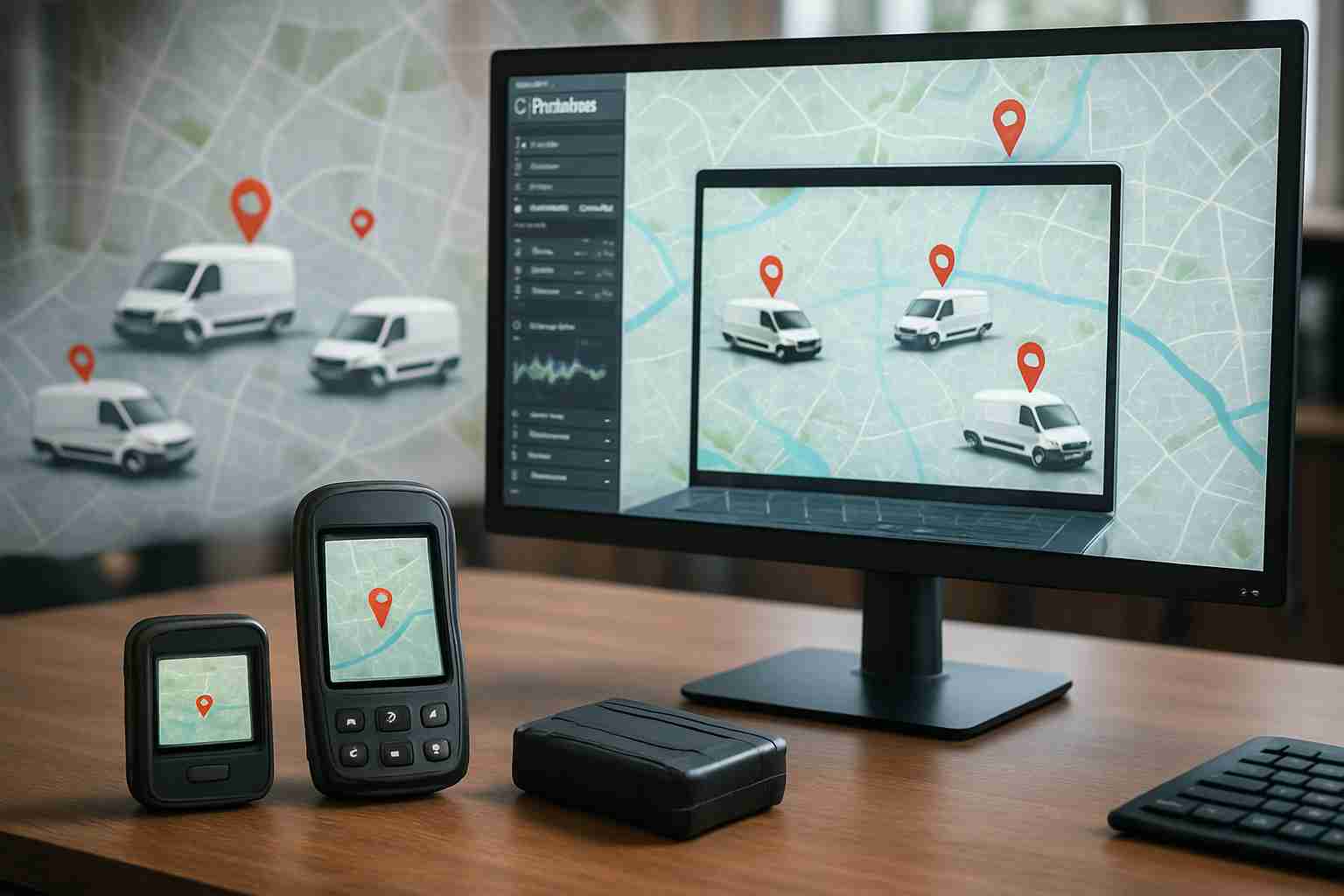
Real-time GPS tracking is transforming how we oversee and control vehicles, assets, and fleets. Thanks to progress in vehicle tracking technology and advanced software, organizations can boost operational productivity and safeguard assets more effectively. This article explores the nuances of GPS monitoring devices, reviews leading fleet tracking software, and shares insights into GPS vehicle management—helping your enterprise leverage state-of-the-art technology.
The Evolution and Technology Behind GPS Tracking Devices
Real-time GPS tracking has transformed the way vehicles and assets are managed, granting unparalleled insight into operational activities. Thanks to advances such as Global Navigation Satellite System (GNSS) receivers and sophisticated communication modules, these platforms allow companies to track vehicle locations and statuses with exceptional precision. By integrating sensors like accelerometers and gyroscopes, GPS monitoring devices provide a rich array of data that supports a real-time GPS tracking review, guiding strategic decisions.
Individuals gain safety and accountability through personal locator GPS systems, while resource tracking technologies protect valuable assets even in demanding conditions. Meanwhile, vehicle-integrated solutions enable smooth data transmission for thorough fleet management. These tools deliver insights on driver conduct analytics, route optimization, and vehicle upkeep timetable, ensuring maximum efficiency and regulatory compliance within fleets.
With ongoing advancements in technology, GPS tracking devices will continue evolving, increasingly merging with AI-driven GPS monitoring and IoT-enabled asset tracking. This progression promises improved security capabilities and connectivity, reshaping our engagement with GPS technology. A real-time GPS tracking review not only enhances operational effectiveness but also lowers expenses, making it essential for both contemporary businesses and personal protection.
Decoding GPS Tracking Software: Features and Functionalities
The foundation of effective tracking platforms is the smooth integration of vehicle monitoring technology with devices, revolutionizing how companies oversee their resources. Central to this framework is its capability to provide real-time GPS tracking review, an indispensable feature that enables supervisors to pinpoint their fleet’s whereabouts accurately. This instant visibility empowers quick rerouting, enhancing travel efficiency by conserving both fuel and time, which is crucial for boosting operational productivity. Additionally, vehicle GPS tracking services bolster fleet operations management solutions by supplying features such as vehicle upkeep timetable, helping ensure vehicles stay in excellent shape, thereby minimizing downtime and maintenance expenses.
Enhancing safety measures, driver performance tracking and operator behavior assessment provide real-time alerts to managers about hazardous driving tendencies. Essential indicators like fuel efficiency monitoring, velocity, and journey length serve as valuable measures for evaluating fleet output, assisting in optimizing processes and safeguarding drivers. Significantly, the software complies with data protection mandates such as GDPR, ensuring personal information is managed responsibly and legally, fostering client and customer confidence. With these powerful capabilities, real-time GPS tracking review remains a vital element in advancing contemporary fleet vehicle monitoring.
GPS Fleet Management: Strategies for Operational Success
In the current competitive environment, deploying GPS fleet management systems is essential for enhancing operational outcomes. The integration of hardware with software delivers streamlined solutions that improve fleet tracking, optimize vehicle upkeep timetable, and control expenses efficiently. By leveraging a real-time GPS tracking review, organizations can collect critical insights that strengthen decision-making and refine risk mitigation tactics, resulting in elevated fleet safety and operational efficiency. Leading platforms such as Verizon Connect and Samsara have shown remarkable results: they facilitate productivity enhancements while reducing costs through data-driven analytics and proactive maintenance management software.
For executives seeking to pivot quickly with shifting market conditions, these GPS fleet management tools prove indispensable. Offering an all-encompassing perspective on expenditures, driver conduct analytics, and vehicle condition, they enable preemptive actions rather than reactive responses. To achieve operational objectives, firms should adopt systems that seamlessly integrate with existing workflows and deliver tailored notifications suited to unique business requirements. Embracing such technology not only enhances efficiency but also provides the strategic edge necessary to thrive in today’s rapid market, ultimately cultivating a culture centered on safety, dependability, and expansion. For further insights, explore another real-time GPS tracking review.
Evaluating the Best GPS Tracking Systems in the Market
When assessing top GPS tracking systems, a few essential criteria come into play that influence both effectiveness and user satisfaction. The role of technology is crucial; platforms utilizing the newest satellite GPS tracking technology provide quicker and more precise location updates. Ensuring compatibility across multiple devices and operating systems allows for effortless incorporation into current workflows. An intuitive interface can greatly improve the user experience by making complex data easier to understand. The ability to scale supports businesses as they expand their fleet tracking systems without requiring major new investments.
In our real-time GPS tracking review, frontrunners like Geotab, GPS Trackit, and Teletrac Navman display diverse strengths. Geotab shines with powerful data analytics, while GPS Trackit proves highly cost-efficient for small to mid-sized firms. Teletrac Navman distinguishes itself through customizable features tailored to specific operational demands. Meanwhile, user feedback consistently praises easy-to-use designs and attentive customer service as major benefits.
Case studies highlight companies enjoying notable improvements. For instance, a logistics provider leveraging Geotab cut fuel consumption by 15%. Smaller businesses using GPS Trackit gained better asset management visibility, slashing losses by 20%. Choosing the right system aligned with company size and particular requirements will maximize these gains. As this sector develops, upcoming GPS fleet tracking technology trends are expected to emphasize AI-powered GPS tracking, fueling further innovation and practical use. For a detailed analysis, visit our real-time GPS tracking review.
Customer Reviews and Testimonials: Real-World Insights
Testimonials and customer reviews offer priceless perspectives on the practical use of GPS vehicle tracking tools in everyday scenarios. Practical advantages like user-friendliness, precise accuracy, and attentive client support are frequently emphasized. For example, users working in logistics often value the enhanced route optimization and smoother workflows made possible by these fleet management tracking solutions, as detailed in the real-time GPS tracking review. Likewise, transportation firms commonly praise these systems for minimizing fuel expenses through smarter navigation. Individual users, too, recognize the benefits of these devices for protecting their loved ones and valuable possessions.
Reliability and effortless integration with existing technologies are recurring topics in favorable feedback, boosting user satisfaction and establishing industry standards. Still, some users note issues such as initial configuration difficulties or occasional connectivity disruptions, highlighting potential areas for refinement. Insights gathered from various industries continue to influence development, motivating manufacturers to innovate and enhance their offerings.
This exchange of user experiences acts as a guide for upcoming improvements and shapes industry benchmarks, with customer input playing a crucial role in delivering better products that fulfill user needs. Ultimately, the ongoing dialogue between developers and users results in advanced, user-focused GPS vehicle management solutions that adapt to shifting market requirements. Valuable insights from testimonials, such as those found in the real-time GPS tracking review, ensure the sector stays responsive to client demands and ready for future progress.
Conclusions
GPS tracking technologies are vital in boosting operational productivity, safety, and regulatory adherence for both companies and individuals. By gaining insight into the elements, software, and fleet management strategies, businesses can enhance their assets and lower expenses. Highly-rated platforms provide dependable solutions customized to a wide range of demands. Choosing the appropriate GPS tracking systems enables users to pursue ongoing advancement, highlighting their significant role in today’s fast-paced, connected environment.