

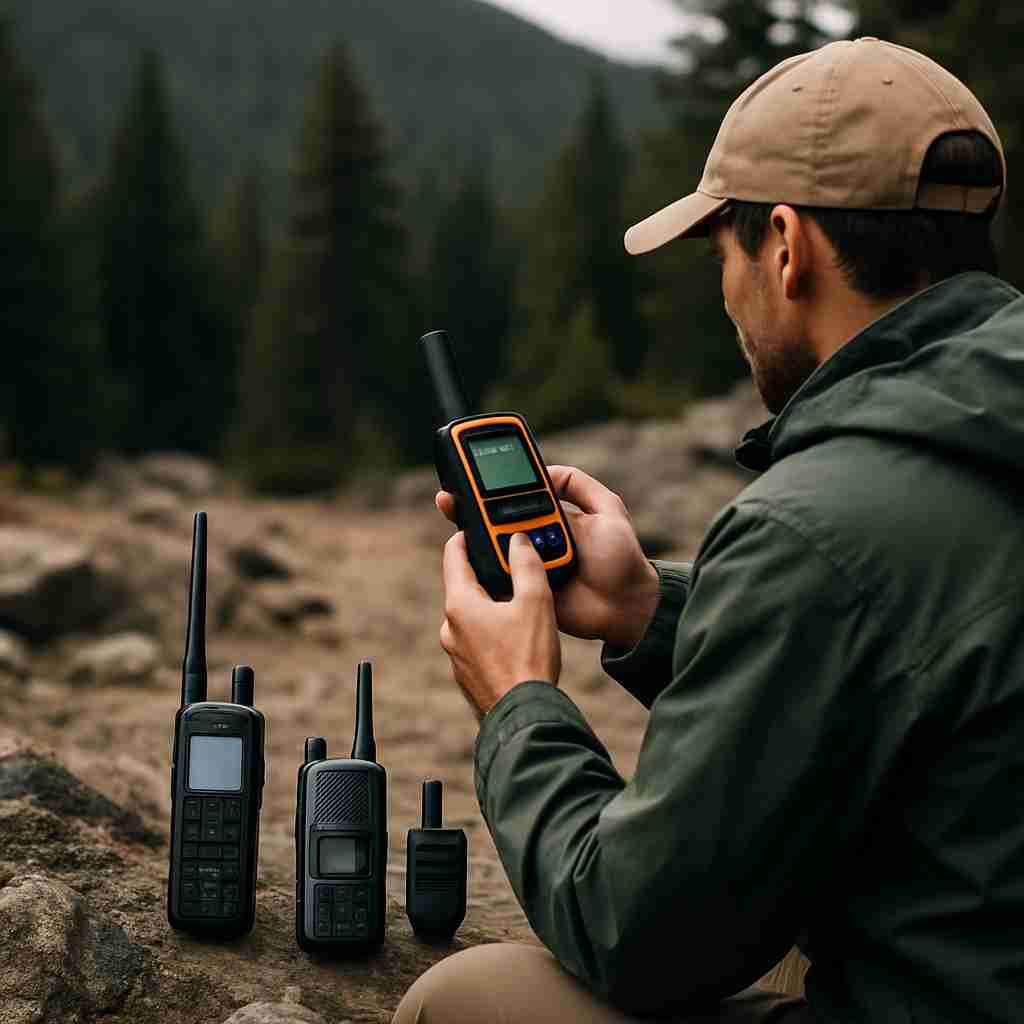
When traveling to distant areas, maintaining a connection can present difficulties. Wireless communication tools provide safety and connectivity independent of conventional networks. This guide delves into satellite messaging terminals, mesh networking systems, offline chat platforms, and rugged off-grid communication devices, giving you a clear understanding of the technologies that help explorers and emergency personnel stay linked in the most isolated regions.
Satellite Messengers for Remote Communication
In today’s landscape of modern telecommunication equipment, off grid texting devices have become vital instruments, closing the divide when standard network availability is absent. These tools enable users to send messages without relying on conventional cellular service, proving essential in scenarios like remote hiking excursions or urgent situations. Utilizing radio signals or satellite comms equipment, they enable smooth message exchanges regardless of location limitations.
A prime example is the Garmin inReach, known for its broad satellite connectivity, guaranteeing communication even in the most secluded spots. Equipped with features such as GPS tracking and SOS alerts, it functions as more than just a messaging device — it acts as a crucial lifeline for adventurers and outdoor enthusiasts. Meanwhile, SPOT Gen4 focuses on user-friendliness and dependable operation, targeting those who need straightforward and solid outdoor communication infrastructure.
Choosing the ideal gadget often depends on variables like toughness, battery endurance, and the fees tied to service subscriptions. Such factors greatly impact the user experience and trustworthiness of the device. Additionally, comprehending the specific strengths of each unit empowers smart selections that boost safety and connectivity, whether exploring unknown landscapes or keeping in touch during a packed camping outing. Investing in fitting off grid texting devices ensures any journey benefits from reliable connection when it’s needed most.
Mesh Networking Radios for Group Communication
Mesh networking radios are transforming group communication by creating decentralized networking devices that do not rely on cellular coverage. For example, gadgets like goTenna Mesh and Beartooth utilize mesh networking systems to enable effortless messaging and location sharing among participants. Each device functions as a node, forming a sturdy network where messages can relay from one device to another until they arrive at their intended recipient. This configuration is especially beneficial for groups venturing into remote locations, such as during extended outdoor excursions or in disaster-stricken areas where typical infrastructure has been disrupted.
Beyond mere convenience, these radios prioritize safety and dependable connectivity. Their communication range varies with environmental elements but often covers several miles under favorable conditions. Moreover, the battery life is engineered to endure intense outdoor usage, ensuring the devices stay functional when they are most critical.
Still, understanding their constraints is essential. Although excellent for localized communication, the network’s coverage depends heavily on the number and positioning of nodes. If devices become too spaced out or blocked by obstacles, the mesh network’s performance can degrade. Nevertheless, mesh networking radios present an effective and practical answer for off-grid connectivity, proving invaluable for groups needing reliable communication beyond conventional service areas. To explore options for maintaining contact even in remote settings, off grid texting devices provide a promising vision of communication’s future.
Exploring Off-Grid Texting Solutions
In today’s increasingly interconnected environment, the appeal of off grid texting devices grows among those wanting freedom from conventional networks. Apps such as Bridgefy and FireChat cleverly use Bluetooth to enable communication even when users are out of traditional network coverage or facing emergencies. Unlike regular cellular messaging, these offline communication applications depend on Bluetooth’s short-distance range. They create an ad-hoc network allowing message transmission between users located within roughly 100 meters.
Encryption highlights the security of these platforms, which is vital for maintaining confidential and protected conversations. Still, users should keep in mind certain restrictions. Messages might be delayed because of network congestion or when passing through multiple devices to deliver to the intended recipient, making these systems less ideal for urgent exchanges.
These remote connectivity devices work best in environments like music festivals or large gatherings where cellular service often fails. They provide reassurance during disasters by ensuring connectivity without relying on established infrastructure. However, for more extensive and resilient coverage, alternatives such as satellite communication devices or rugged communication tools could be preferable. Regardless, the innovation behind off grid texting devices continues to fascinate those eager for connectivity beyond typical boundaries.
Rugged Communication Devices for Tough Environments
In environments where survival hinges on reliability, rugged off-grid communication devices are indispensable. Devices such as the Iridium Extreme and Thuraya XT Lite feature essential attributes tailored for military personnel and adventurers alike. Their rugged construction guarantees resilience against the most severe conditions. Standard waterproofing protects these devices from inadvertent water exposure during unexpected rainstorms or river crossings. Additionally, shockproof rugged communication gear shields them from impacts and drops, frequent occurrences in combat zones or rough terrains.
Battery life is also a key focus, especially when operating in remote locations without any power source. With its extended battery life satellite phones, the Iridium Extreme ensures dependable standby time, making it an ideal companion for lengthy expeditions. Such designs support those navigating difficult landscapes, assuring consistent connectivity even in isolated areas.
More than just communication tools, these rugged devices act as lifelines. Their durability inspires confidence that performance won’t falter when urgent communication is critical. Beyond traditional off grid texting devices, they deliver features engineered to endure when it matters most. For individuals venturing into extreme conditions, these devices are vital, combining advanced technology with sturdy build quality to keep communication channels open despite harsh weather. Thus, they represent not only communication instruments but also a source of security and reassurance in the wildest, most demanding environments.
Conclusions
For explorers in isolated regions and crisis responders, wireless communication tools are essential. These independent safety devices combine satellite comms equipment, mesh networking systems, and rugged communication tools to guarantee connectivity and protection where normal networks come up short. Tailoring your investment to the right telecommunication equipment boosts your readiness, allowing you to remain linked and protected in any setting—from the most untamed landscapes to urgent urban situations.